Winter Morning and Evening Memories: A Lost Sweet Tradition of Rural Life
06 Apr 2026
0
1
Memories from the past never truly fade; instead, they grow warmer and more meaningful with time. Among those cherished moments, winter mornings and evenings from my childhood hold a special place in my heart. I grew up in a remote rural village, surrounded by open fields, narrow earthen roads, and the soothing embrace of nature. Life was simple, yet deeply fulfilling.
As winter afternoons slowly turned into evening, the village would transform into a scene of quiet activity. Elderly villagers, experienced and skillful, would prepare for their daily ritual. Carrying bamboo baskets on their backs, ropes tied around their waists, and sharp cutting tools in their hands, they would walk along winding village paths toward the date palm trees—an essential symbol of rural winter traditions.
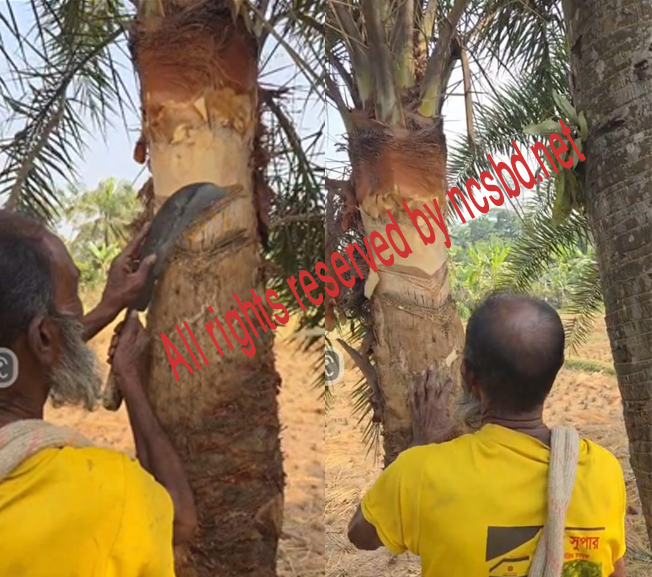
The process of collecting date palm sap was nothing short of an art. First, they would clean a section of the tree by removing small branches and leaves. Then, with remarkable precision, they would shave the surface of the tree using a sharp blade until it became smooth and pale white. As a child, I would watch in fascination, wondering how such simple tools could create something so magical.
Next came the most important step. A triangular cut, known locally as a “safe,” was carefully carved into the tree. Beneath it, a small bamboo stick was inserted to guide the flow of sap. Two small wooden pegs were placed just below the cut, and a clay pot was securely tied to collect the dripping sap.
Gradually, drop by drop, the sweet sap would begin to fall into the pot. It was a mesmerizing sight. The quiet surroundings, combined with the rhythmic sounds of tapping—“tuk tuk” and “thok thok”—created a natural melody that still echoes in my memory.
Every evening, the cut was refreshed slightly to ensure a steady flow of sap. This daily ritual reflected generations of inherited knowledge and craftsmanship. As night fell, the collectors would return home, leaving the pots to fill slowly under the cold winter sky.
At dawn, wrapped in mist and chill, they would return with large clay pitchers to gather the sap. Each pot was carefully emptied, and the collected sap was brought home. Fresh date palm sap had a unique, delicate sweetness that made winter mornings truly special.
The next stage was turning this sap into molasses, a treasured delicacy. The sap was first filtered and then poured into a large, shallow container. Using dried rice straw as fuel, it was boiled over an open fire. Slowly, over one to one and a half hours, the liquid thickened and transformed into a rich, golden-brown syrup.
As it boiled, a warm, sweet aroma spread through the air, filling the entire household with comfort and anticipation. Eventually, the thickened syrup was preserved as traditional date palm molasses—an essential part of winter cuisine.
This molasses was enjoyed throughout the year, especially with traditional rice cakes and desserts. Its taste was not just sweet—it carried the essence of tradition, community, and childhood memories.
Sadly, this beautiful tradition is now fading. Many date palm trees have been cut down, while others have been lost to natural disasters like floods. With modernization, rural life has changed dramatically. Technology has made life easier, but it has also distanced us from nature and simplicity.
The winding paths, the misty mornings, and the collective joy of these activities are slowly disappearing. What remains are memories—soft, warm, and deeply emotional.
Even today, when I think back to those winter mornings and evenings, I feel a gentle longing. It reminds me that while we move forward in time, we often leave behind the most beautiful parts of our lives.
✍️ Author: Md. Nasir
⚠️ Warning: This content is copyright protected. Any unauthorized copying, storing, or republishing is a punishable offense.
Comments
()
Guest Mode
Sign in to like, comment or create a tracked share link.
Log in with your registered account to earn reward points for eligible activities and post comments.
Login
Related Posts

Childhood Fishing Memories in Rural Bangladesh – A Beautiful Village Fishing Story from the Rivers and Canals
The joy of fishing during childhood in rural Bangladesh was truly unforgettable. Even today, whenever I close my eyes, t
...

There is no age for learning: Is it possible to be successful even if you start late?
There is no age limit for learning. Even if you start late, it is possible to change your life if you have the desire an
...
.jpeg)
Study or Love? Why the right decision is most important in student life.
Love may come in student life, but that is not the end of life. This article is about why education is the strongest fou
...
Memories of My Maternal Grandfather’s Home: Freedom, Rivers, and Childhood Joy
Introduction
Childhood is made of places, people, and emotions that grow stronger with time. For me, that place was m
...

Sharif Osman Hadi: A Voice Silenced, A Conscience Awakened
Sharif Osman Hadi, spokesperson and leading figure of Inkilab Mancha, was more than a political activist — he was a fear
...